
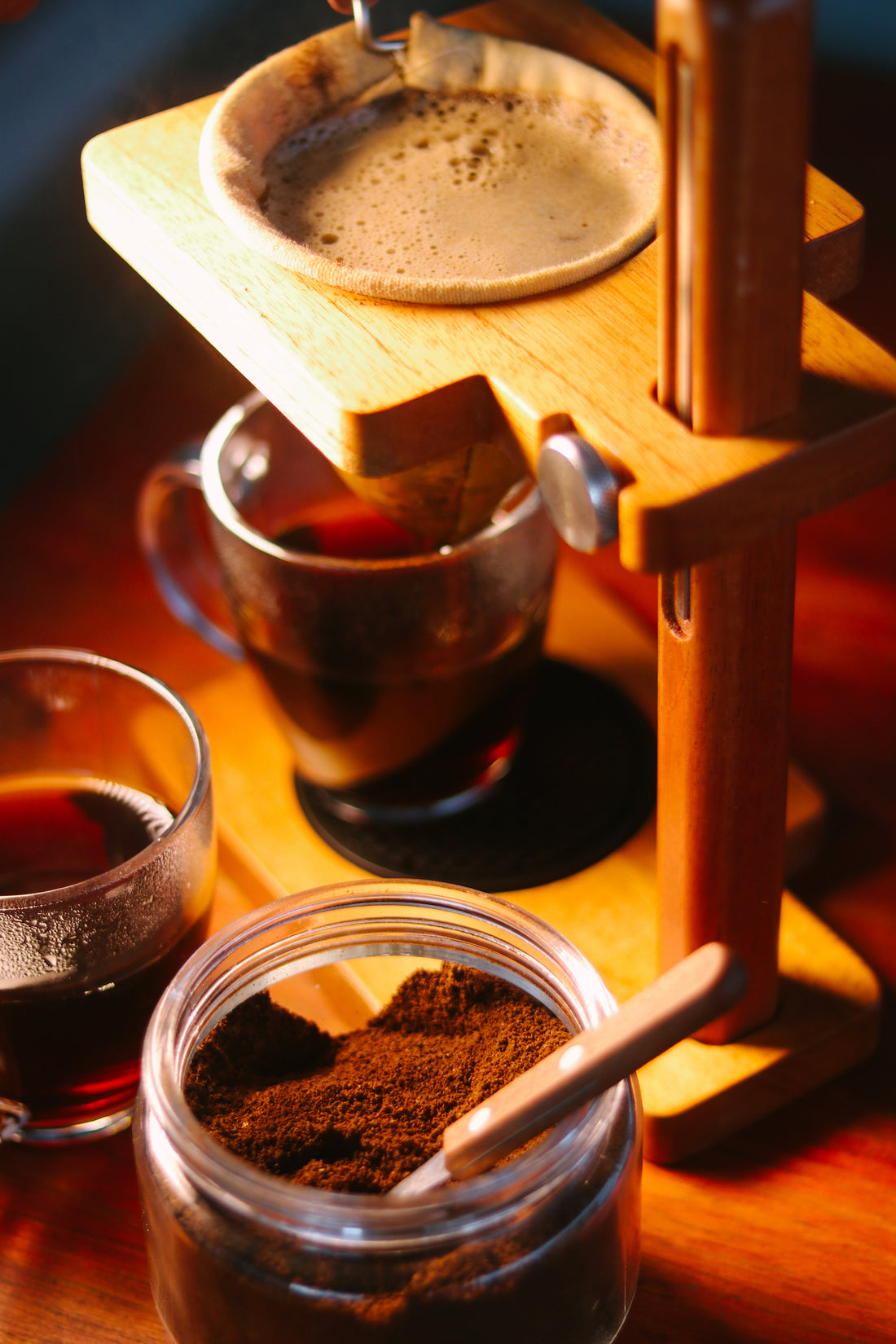
5 Tips for Making Great Drip Coffee.
We believe that the best coffee is the one you like. In my case, the prize for the best drip coffee goes to my grandmother—though she probably never followed any of these tips. Our opinions on what makes the best coffee depend on much more than just the ingredients and the method. They depend, for example, on good company, the place and time we enjoy it, and even on whether we’re using our favorite cup.
However, these tips—which we’ve compiled with the help of baristas, coffee tasters, and other professionals—are designed to help us prepare—from a technical standpoint—a delicious cup of pour-over coffee, even when we can’t be with the company we miss, in an ideal setting, or if we’re drinking it out of just any old cup.
1) Create your own recipe

A common practice is to brew coffee by eye. Following that instinct can sometimes result in very tasty coffee, but the results aren’t consistent. That’s why creating your own recipe is a great tip for always getting coffee with the flavors your household prefers. The basic recipe involves measuring the amount of water and coffee you’ll use. The best recipe depends on whether you like your coffee strong or a bit weaker, so it all comes down to personal preference.
Our favorite coffee recipe is:
1 ½ tablespoons of coffee per 200 ml of water (1 cup).
If you’re still not sure how you like your coffee, this recipe can be a good starting point for finding your favorite ratio. You should always try to have tools on hand to measure the amount of water and coffee.
In future posts, we’ll show you how to make pour-over coffee like a barista.
2) Use fresh, freshly ground coffee.

It’s best to use fresh coffee with a strong, pleasant aroma. You can smell the coffee to tell how fresh it is. If the coffee aroma is weak, it means the coffee is old.
There’s no doubt that buying pre-ground coffee is the most convenient option; but if you want a well-filtered drip coffee, it’s better to buy whole beans and grind them right before brewing. We assure you that the effort and time are worth it. For this, you’ll need an electric or manual coffee grinder. When grinding, you can try to match the grind of the pre-ground coffee you usually buy, or if you prefer, you can grind it a bit finer.
Drip coffee has two ingredients: water and coffee. It’s no surprise that selecting a good, fresh coffee—roasted and ground just before brewing—results in a more flavorful cup of coffee.
In future posts, we’ll be sharing our favorite specialty coffees with you!
3) Water temperature

When we make pour-over coffee, we usually bring the water to a boil, and when the kettle whistles, we pour the water to brew the coffee. Our barista friends tell us that the ideal temperatures for brewing coffee are between 90 and 96 degrees Celsius to best extract the coffee’s various flavors. That’s why a good tip is to remove the coffee pot from the heat once the water comes to a boil and wait about 30–45 seconds for the water temperature to drop slightly.
In future posts, we’ll be sharing more about how water temperature affectscoffeeextraction and how to control it.
4) Pre-infusion

Pre-infusion involves wetting the coffee in the filter first for about 40 seconds before pouring in the rest of the water. The idea is to keep the ground coffee just barely covered with water. If you do this, you’ll notice bubbles forming as carbon dioxide is released—a process that helps facilitate the extraction of the coffee.
We’ll be sharing more about pre-infusion and its importance soon.
5) Keep the filter in good condition
This is where science collides head-on with mysticism. My grandmother’s legendary coffee filter wasn’t exactly a thing of beauty, and we all believed that the secret to making great coffee lay in this family heirloom. Over the years, however, we came to realize that the secret to my grandmother’s drip coffee was the love she put into it, not the filter.

Baristas recommend keeping the filter in good condition by washing it with hot water after each use and scrubbing it thoroughly to remove most of the coffee grounds that have become embedded in the fabric. It is not recommended to use soap when washing it, as the filter absorbs the soap’s scent. Additionally, it is advisable to replace the filter every so often. How often you replace it will depend on how often you use it and how well you maintain it, but a good time to replace it is when you notice that the filter has turned a very dark brown color.

The filters for Plinc pour-over coffee makers were designed with the help of professional baristas and coffee tasters after extensive research and testing to select the ideal fabric and shape. That’s why we’re confident that with our dripper and this filter, you’ll be able to brew an excellent cup of pour-over coffee that rivals my grandmother’s every step of the way.
Stay tuned for upcoming emails where we’ll tell you more about the filter and what makes it so different.
We hope you enjoyed this content. See you soon!
#Idripcoffee
This is the movement of people who take the time to make a good pour-over coffee. If you’re one of us, you can use this tag to share this beautiful tradition with the world.